
My 2025 Reading Wrapped
observations about every book I read this year

happy holidays! this is one of my favorite posts of the year, and it’s made possible by my paid subscribers here on substack :) consider gifting a subscription to the WordsFromEliza universe to a friend or to yourself! it gets you access to a lot of cool stuff, including the entirety of this post <3
· · ────── ꒰ঌ·✦·໒꒱ ────── · ·
Spotify Wrapped got especially depressing for me this year. In the midst of the company buying AI drones and selling ICE ads and also stealing money from me personally, it just wasn’t that fun to realize that, in addition, it was also stalking everyone and using their information to further the company’s evil. I really like to see data about media consumption and I am also morally opposed to corporations taking charge of such data.
So this year, I decided to make a “wrapped” data summary of my own reading history.
I had a lot of fun coming up with unique categories and tracking my reading habits according to my own metrics. I wrote about every single book I read this year and what I thought about it. Towards the end, I also include a graveyard of unfinished books. Please advise…
P.S. this post is too long for email! Read in your web browser to see it all :)
· · ────── ꒰ঌ·✦·໒꒱ ────── · ·
QUICK STATS
42 books — 28 fiction, 13 non-fiction, and one that was a mix of both.
I read the most books (7) in September when I was off-the-grid. Go figure.
I read the least number of books (1) in February. That was when I finished Anna Karenina, which is the longest book I read and the only one that made me cry. The shortest book was Chess Story by Stefan Zweig.
I read more fiction at the beginning of the year, and more non-fiction towards the end.
I read 5 books that I would describe as having “changed my life.” Those are at the end.
Okay, let’s get into it.
· · ────── ꒰ঌ·✦·໒꒱ ────── · ·
CONSCIOUSNESS RAISING
I prioritize reading in my life because, every so often, I read a book that introduces me to a new way of thinking about something. Mostly, I experience this with fiction that connects me to some other people in some other place or time. This year, I tried to learn more through reading nonfiction. I focused on gaps in my knowledge and, if I had an intellectual thread that I wanted to follow, I followed it.
These are the books I learned the most from:
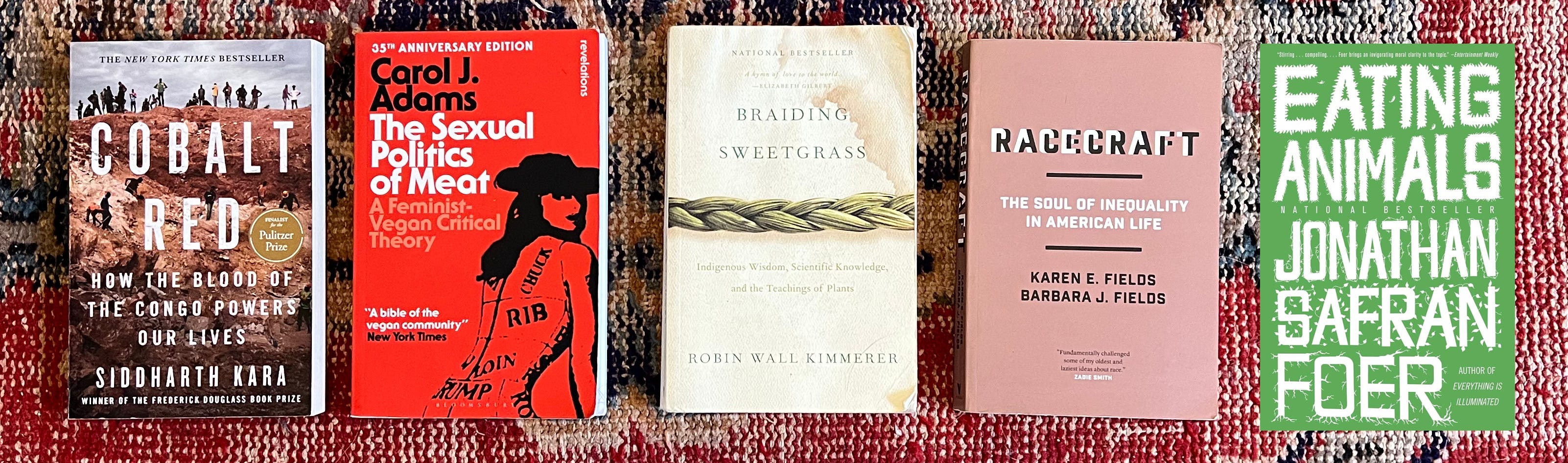
Cobalt Red: How the Blood of the Congo Powers Our Lives by Siddhartha Kara is a heartbreaking historical and social exploration of the cobalt industry. I didn’t even really know what cobalt was before this book — only that it was in my phone, and it was probably really bad for the environment or something. I learned that the historical precedent of extreme resource extraction from the Congo is long and supremely, almost unbelievably evil. The current state of affairs is difficult to contend with, and it made me think differently about a “climate-positive” future that aims to rely on electric vehicles or other rechargeable batteries. This book also revealed my other gaps in knowledge — I’ve added King Leopold’s Ghost: A Story of Greed, Terror and Heroism in Colonial Africa to my reading list for next year.
I went vegan this year, in no small part due to a few books I read. Eating Animals by Jonathan Safran Foer is, in my view, required reading for anyone eating food in America. The truth about agriculture (ALL agriculture, not just animal) is one of the best-kept corporate secrets in the world, and Safran Foer explores it with depth, humor, and sincerity. I’m not just trying to convert you here — I genuinely think it is in your interest to learn about where your food comes from and at what cost.
The Sexual Politics of Meat by Carol J. Adams is a bit “final boss” in terms of vegan/feminist theory, but I really enjoyed this as well, and it made me think deeper about the dignity that is stripped from animals. The truth is that all animal agriculture requires reproductive control including rape, genetically modified breeding, forced milking, extreme confinement, and familial separation. I realized this year that my feminism extends to animals, and that I wish to see no earthly being subject to such horrors.
The other book that opened my frame of consciousness, such that I saw veganism as a part of my spiritual beliefs, was my re-read of Braiding Sweetgrass by Robin Wall Kimmerer. This book does not need my recommendation; it is appropriately lauded as one of the most impactful books of the century. Wall Kimmerer talks about science in a way that makes sense to me for the first time in my life and explores principles of human relationships to the land that resonate deeply. Also, this book came at a pivotal time, reminding me of my humility before the land as I spent some time in Appalachia.
The only book I took dedicated, pages-long notes on this year was Racecraft: The Soul of Inequality in American Life by Barbara and Karen Fields — two sociologists who are sisters (LOVE!). The book explores the fiction of race, how and why it was created, and the social function of believing in it. Though dense at times, I do feel that the book is ultimately very readable, if only because it is constantly raising points that I had never thought of, though they made complete sense to me on first introduction.
· · ────── ꒰ঌ·✦·໒꒱ ────── · ·
GOOD, CLEAN FUN
Some books change my mind, some books change my life, some books are just fun to read... And a lot do all three! Sometimes I forget that books are a form of entertainment. The fact that something is entertaining does not prevent it from also being meaningful, smart, or deeply connecting. There’s nothing wrong — and, in fact, something very right! — with having a great time when reading.
These are books that, primarily, I just really enjoyed spending time with:
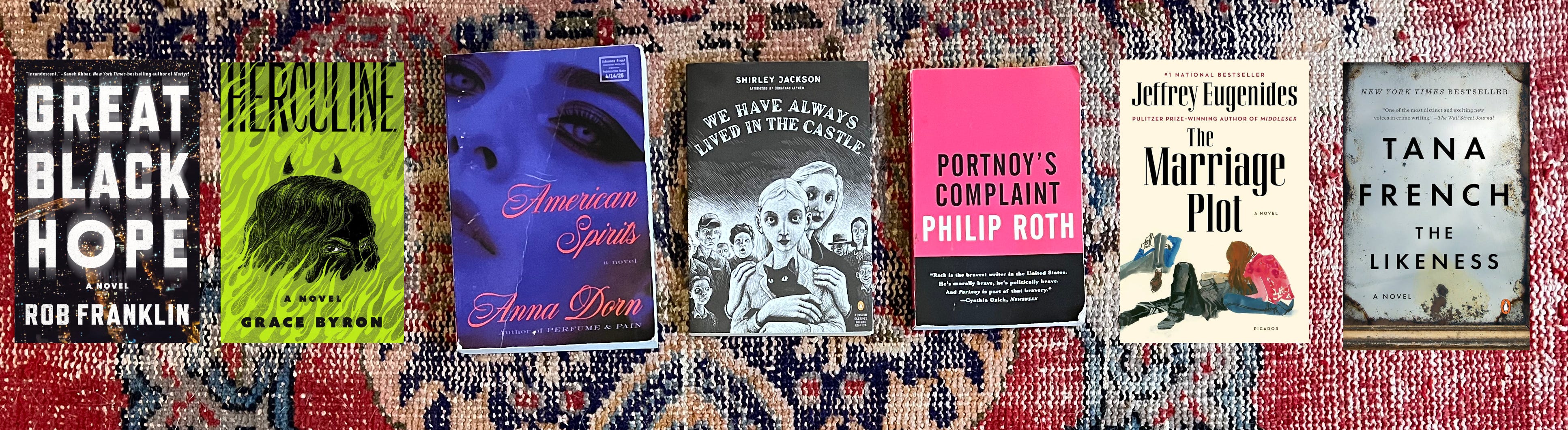
I used to pray for releases like American Spirits by anna dorn, a highly entertaining book that is sure to make any LDR superfan feel verifiably schizophrenic through the sheer presence of fandom easter-eggs. I absolutely loved every moment of reading this book and cannot wait until it comes out next year
I crushed The Marriage Plot by Jeffrey Eugenides in two days on a camping trip. Star-crossed young lovers, Ivy League in the 80’s, a rare portrait of bipolar disorder that is not vehemently dehumanizing nor overly-romanticized… great!
Herculine by oomf Grace Byron is delightful — funny, touching, scary, sexy… I mean, those are my four favorite adjectives right there.
When the weather was still cold, I cracked into The Likeness by Tana French. Speaking of crack, there is certainly something of the sort in this book. I’m always impressed by novels that make me even slightly care about a cop/detective character. The prose was great and the twists were TURNING! Loved it.
Great Black Hope by Rob Franklin was a great summer read. Drama, gossip, wealth, but also family, addiction, loss… I gobbled it up pretty fast and remarked to myself, thank God contemporary novelists are still writing plot!
We Have Always Lived in the Castle by Shirley Jackson was the perfect seasonal, spooky read. I listened to it on audiobook while working through my gift knits for Christmas.
Portnoy’s Complaint by Philip Roth made me laugh out loud several times. Absolutely disgusting and perfect.
· · ────── ꒰ঌ·✦·໒꒱ ────── · ·
HEAVY HITTERS
Some things are too tough to speak about, such that it’s almost easier to write a book instead. At risk of sounding too much like my Scorpio Moon (or not-like-other-girls), I am often drawn to stories about the darkest parts of human experience.
These are the books that brought me into the darkness:
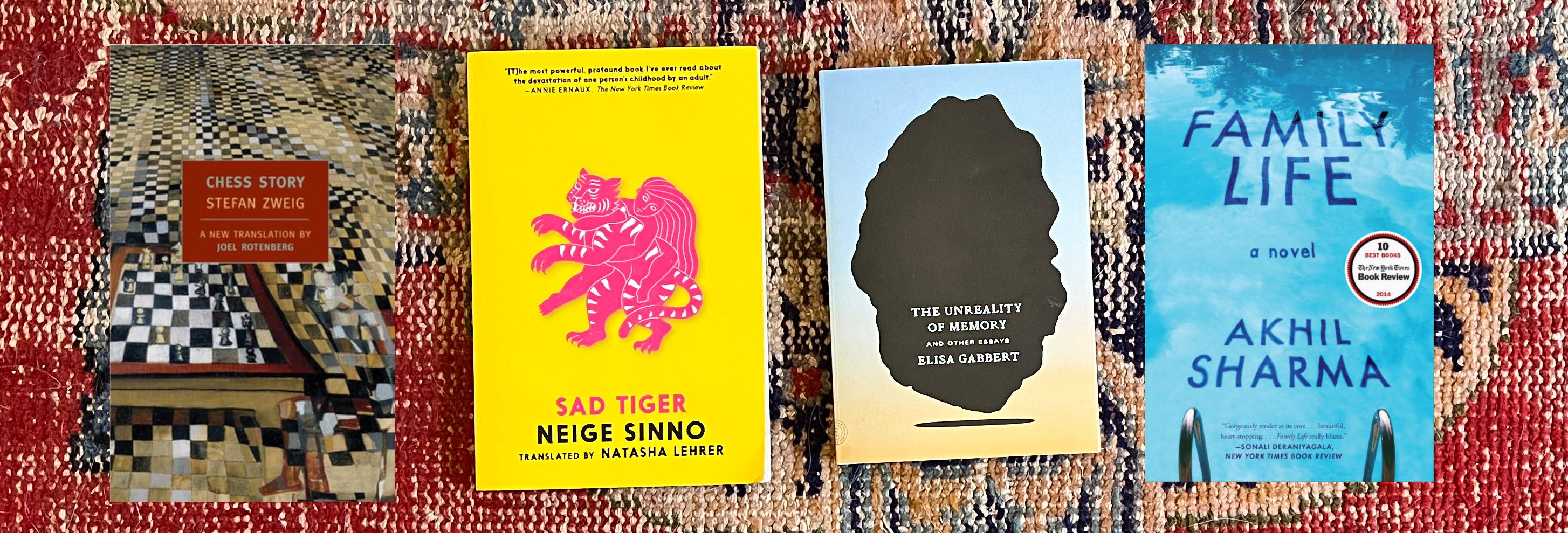
Sad Tiger by Neige Sinno is probably the most intense work about child sexual abuse that I’ve ever engaged with. I had to read it quickly to prevent its themes from circling and circling my mind. I think the book is brilliant — especially how Sinno posits that incest is a social problem, something that is part of our culture rather than specific to a few unlucky families. Incredible work, but proceed with caution.
The Unreality of Memory by Elisa Gabbert is an essay collection about disaster — Chernobyl, the Titanic, Biblical floods, earthquakes, possession. I felt deeply connected to it as a person who also constantly worries about the many things that will one day end the world. I particularly enjoyed the essay about female hysteria and witchcraft. She talks too much about Hillary Clinton but
it was 2016 so I forgive herI just looked it up to double-check and the book came out in 2020, so this is less forgivable.There are a lot of stories out there about being a sick child, but Family Life by Akhil Sharma is about being the sibling to the sick child. The book is a truly bleak portrait of a family under stress from the highly predatory American medical system and in the midst of “losing” their golden child to severe disability. This book reminded me of the Orwell quote about good prose being like a pane of glass.
On the train to Prague this summer, I read the entirety of Chess Story by Stefan Zweig. In the novella, an Austrian lawyer is arrested by the Gestapo and spends months in solitary confinement, entertained only by an instructional chess book that he manages to steal from a Nazi officer. The book is not all misery, but the descriptions of the imprisonment are jarring and the book features a well-done “descent into madness” plot.
· · ────── ꒰ঌ·✦·໒꒱ ────── · ·
SUMMONING CIRCLE
If I were lost in the woods, these books would probably bring me back. They’re right up my alley in all the ways that anyone who knows me could predict.
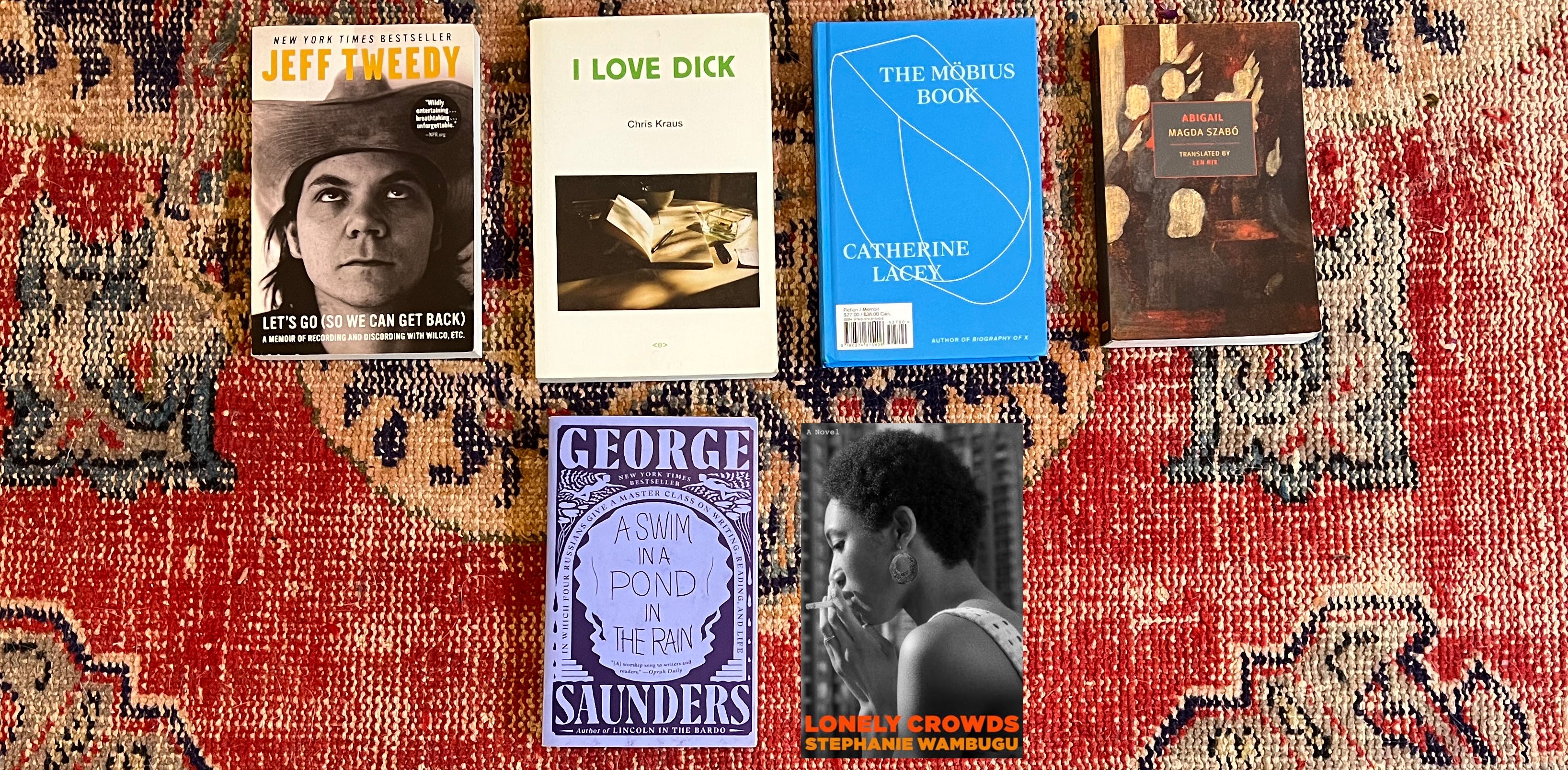
These are the books that were “so me:”